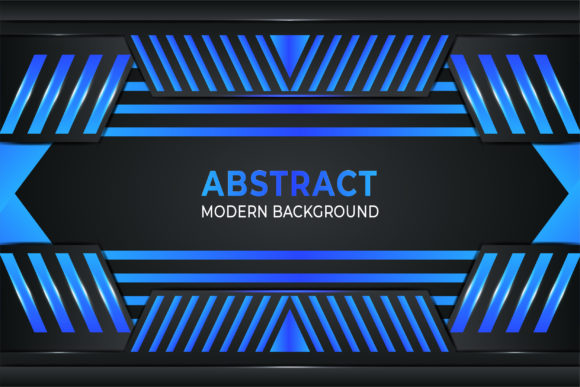
Abstract Back Background Design, 3D: A Strategic Asset for Modern Branding
In the digital landscape where attention is the scarcest resource, visual hierarchy determines whether a message is consumed or ignored. Abstract Back Background Design, 3D represents more than a decorative choice; it is a functional tool that enhances cognitive processing and establishes professional authority. For entrepreneurs, marketers, and creators seeking to elevate their communication strategy, this specific design archetype offers a sophisticated backdrop that directs focus without overwhelming the core content.
The transition from flat, two-dimensional graphics to three-dimensional abstract environments allows brands to create depth and immersion. This approach is particularly effective when positioning a product or service as innovative, forward-thinking, or premium. By utilizing an Elegant page design template that features clean structures, professionals can ensure that their visual identity remains consistent while adapting to various platforms. The goal is not merely to look modern, but to facilitate better decision-making through clarity and aesthetic appeal.
The Strategic Value of Depth in Visual Communication
Why does the integration of 3D elements matter in a business context? Human cognition is wired to perceive depth. When a viewer encounters an Abstract Back Background Design, 3D, the brain processes the image differently than it does a flat surface. This psychological response can be leveraged to guide the user's eye toward critical information, such as a call-to-action button, a key statistic, or a value proposition.
For small business owners and freelancers, the ability to stand out in a crowded marketplace is paramount. A generic background often blends into the noise, whereas a structured, professionally designed 3D abstract environment commands respect. It signals that the entity behind the design invests in quality and precision. This perception directly influences customer trust and brand equity. When a website, presentation slide, or marketing collateral utilizes a high-quality Clean Background Design Template, it reduces cognitive load, allowing the audience to focus on the message rather than deciphering a chaotic layout.
The strategic utility extends to operational efficiency as well. Professionals who juggle multiple projects need resources that are quick to customize. Relying on a template that is already structured correctly eliminates hours of trial and error. Instead of wrestling with alignment tools or color palettes, the practitioner can focus on content strategy. This shift from technical execution to strategic planning is where true productivity gains occur.
Technical Specifications as a Foundation for Quality
The effectiveness of any design asset is contingent upon its technical robustness. An Abstract Back Background Design, 3D file that lacks proper formatting can lead to inconsistencies across different devices and print media. The template described here adheres to rigorous standards, including RGB colour mode, which is essential for digital displays. This ensures that colors remain vibrant and accurate on screens ranging from mobile phones to large monitors.
Furthermore, the inclusion of professional and clean structured files means that layers are organized logically. For designers and developers, this translates to ease of use. When modifying a complex 3D scene, having access to editable vector paths in Adobe Illustrator CS6 version allows for precise adjustments without degrading image quality. The availability of Ai, EPS, PDF, and JPG formats provides flexibility for diverse workflows:
- Ai and EPS: Ideal for scalable vector graphics used in print materials like brochures, business cards, and large-format banners where resolution must remain sharp at any size.
- PDF: Perfect for sharing presentations and documents that require universal compatibility while preserving layout integrity.
- JPG: Suitable for web usage, social media posts, and email newsletters where file size optimization is necessary for fast loading times.
This multi-format capability ensures that the design system is versatile enough to support long-term branding efforts across all touchpoints. Whether you are a blogger publishing a new article or an educator creating a lecture deck, having these assets readily available streamlines the production process.
Intentional Application: Planning Before Execution
While the tools are powerful, their impact depends entirely on how they are deployed. Using an Abstract Back Background Design, 3D randomly can result in visual clutter that distracts from the intended message. To achieve better results, practitioners must approach design with a clear plan. Start by defining the objective of the piece. Is the goal to inform, persuade, or entertain? Once the purpose is established, select a variation of the background that complements the tone without competing with the text.
Consider the context of consumption. In a corporate setting, a subtle, muted 3D abstraction might convey stability and reliability. Conversely, a vibrant, dynamic abstract design could signal creativity and disruption, suitable for tech startups or creative agencies. The key is alignment between the visual language and the brand narrative. A mismatch here can confuse the audience and dilute the brand's positioning.
When customizing the template, adhere to the principle of less is more. The strength of a Clean Background Design Template lies in its simplicity. Avoid adding excessive elements that obscure the 3D depth. Instead, use the negative space effectively to let the background breathe. This approach not only looks more elegant but also improves readability, ensuring that the content remains accessible to all users, including those with visual impairments.
Risks of Unstructured Usage
Without clear goals, even the most beautiful design can become a liability. A common pitfall is over-reliance on visual effects at the expense of substance. If the Abstract Back Background Design, 3D is so dominant that it detracts from the copy or data, the communication fails. This is particularly risky in educational contexts or B2B sales pitches where clarity and accuracy are non-negotiable.
Another risk involves accessibility. High-contrast or overly complex 3D patterns can cause issues for individuals with photosensitivity or color vision deficiencies. Before deploying a design broadly, test it across different viewing conditions and devices. Ensure that text legibility is maintained regardless of the background complexity. Professional practice dictates that aesthetics should never compromise usability.
Additionally, relying on outdated software versions can limit collaboration. While the template supports Adobe Illustrator CS6, teams using newer versions may encounter compatibility quirks if not managed correctly. Always verify that the file structure remains intact when transferring between different software environments. The included Help File serves as a crucial resource for troubleshooting these potential friction points, ensuring a smooth workflow.
Maximizing Long-Term Value Through Customization
The ultimate measure of a design template's success is its longevity and adaptability. A Quick and easy to customize templates approach empowers users to evolve their brand identity over time. As market trends shift, the underlying 3D structure can be tweaked—colors adjusted, lighting modified, or composition altered—to reflect new strategies without needing to start from scratch.
This flexibility is invaluable for growing businesses. A freelancer starting out today might use one color palette, while the same individual, now running an agency, needs a broader range of options. The ability to modify the Abstract Back Background Design, 3D allows for seamless scaling. It supports a cohesive visual language that grows with the organization, reinforcing brand recognition at every stage of development.
For educators and publishers, this adaptability means creating reusable assets for courses, e-books, and articles. A single well-designed background can serve hundreds of pieces of content, saving time and resources while maintaining a high standard of quality. This consistency builds a reputation for excellence, encouraging repeat engagement from the audience.
Moving Forward with Confidence
In conclusion, the integration of Abstract Back Background Design, 3D into your workflow is a strategic decision that pays dividends in clarity, professionalism, and efficiency. By leveraging a template built on professional and clean structured files, you equip yourself with a foundation for superior visual communication. However, the technology alone is not the solution; it is the thoughtful application of these tools that drives results.
Approach each project with intention. Define your goals, understand your audience, and choose the right variations of the design to support your message. Utilize the provided formats (Ai, EPS, PDF, JPG) to ensure your work reaches its destination in the highest quality possible. Remember that the best designs are those that facilitate understanding rather than obscure it.
If you encounter any challenges during the customization process, do not hesitate to seek assistance. Contact me via my Certificate Design profile for help. Your feedback is also vital; please rate this item 5 stars if it has contributed to your success. Your rating helps others discover tools that can enhance their own creative and business endeavors. With the right mindset and the right assets, you can transform ordinary presentations into extraordinary experiences that drive real-world outcomes.