Interior Design 3D Rendering: Bridging the Gap Between Vision and Reality
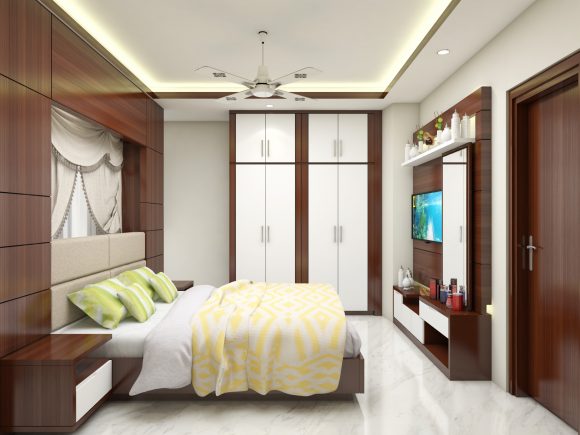
In the dynamic world of architecture and home aesthetics, the ability to visualize a space before a single brick is laid has become indispensable. Interior Design 3D Rendering is basically the process through which interior designers, architects, and other professionals produce 3D images showcasing their design ideas. The best thing with interior renderings is that they can offer a more realistic presentation of the item being displayed in an artistic way. This technology transforms abstract concepts into tangible experiences, allowing stakeholders to walk through a room, inspect textures, and evaluate lighting conditions without leaving their office.
For homeowners, business owners, and design professionals alike, the journey from a rough sketch to a finished project often involves significant uncertainty. Traditional 2D blueprints and mood boards, while useful, frequently fail to convey the true atmosphere or spatial relationships of a design. This disconnect can lead to costly mistakes, misaligned expectations, and frustration during the construction or renovation phase. By leveraging high-quality 3D visualization, these challenges are effectively mitigated, ensuring that every decision is informed by clarity and precision.
Understanding the Core Value of 3D Visualization
At its heart, Interior Design 3D Rendering serves as a universal language between the creative mind of the designer and the practical needs of the client. It is not merely about creating pretty pictures; it is about communication. When a client looks at a floor plan, they see lines and dimensions. When they view a photorealistic rendering, they see a living space. They can perceive how natural light will dance across a hardwood floor in the late afternoon or how a specific shade of velvet sofa complements the wall color.
This level of detail addresses a critical need in the industry: the reduction of ambiguity. In complex projects involving custom furniture, intricate lighting schemes, or unique architectural features, 2D drawings often leave too much room for interpretation. A rendering eliminates this guesswork. It provides a definitive visual reference that aligns the vision of the architect, the preferences of the homeowner, and the execution capabilities of the contractor. Consequently, the final result matches the initial concept far more closely than ever before possible.
Overcoming Common Challenges in Design Projects
Every design project faces specific hurdles that can derail progress if not managed correctly. One of the most prevalent issues is the difficulty clients have in visualizing scale and proportion. Without a 3D model, it is easy to underestimate how large a piece of furniture will look in a small living area or how low a ceiling might feel with a particular chandelier. Interior Design 3D Rendering solves this by placing virtual objects within a digital twin of the actual space, complete to scale.
Another significant challenge is material selection. Choosing paint colors, flooring types, or fabric textures based on physical swatches can be misleading due to lighting variations in different environments. Digital renderings simulate various lighting scenarios—morning sun, overcast days, or warm evening lamps—allowing users to see how materials truly behave under real-world conditions. This proactive approach prevents the expensive error of purchasing materials that do not perform as expected once installed.
Furthermore, budget management is often a concern. Changes made during the construction phase are notoriously expensive and time-consuming. By identifying potential design flaws or aesthetic mismatches early in the rendering stage, teams can make adjustments on the computer rather than on the job site. This shift from reactive problem-solving to proactive planning is a cornerstone of modern, efficient project management.
Practical Applications for Different Users
The utility of 3D visualization extends across various sectors, each approaching the tool with different goals and requirements.
- Homeowners and Renovators: For individuals undertaking DIY renovations or hiring contractors, 3D renders provide confidence. They allow non-professionals to explore different layout options, test "what-if" scenarios, and approve designs with certainty. This empowerment leads to higher satisfaction and fewer change orders during the build.
- Real Estate Developers: Marketing off-plan properties requires compelling visuals. High-end Interior Design 3D Rendering allows developers to sell units before construction begins. Buyers can virtually tour furnished apartments, understanding the lifestyle benefits of the space, which accelerates sales cycles and increases property value.
- Commercial Businesses: Restaurants, hotels, and retail stores rely on these tools to optimize customer flow and ambiance. A restaurant owner can visualize how booth seating affects movement or how signage appears against a backdrop. This ensures the final space is not only beautiful but also functional and profitable.
- Interior Designers and Architects: For professionals, these renders are essential for client presentations and portfolio building. They demonstrate expertise and attention to detail, setting a firm apart from competitors who rely solely on traditional sketches.
Navigating the Process: Tips for Success
To get the most out of Interior Design 3D Rendering, it is important to approach the process with clear objectives. Whether you are hiring a service or using software yourself, preparation is key. Start by gathering comprehensive data about the space, including accurate measurements, existing structural elements, and desired lighting conditions. The more information provided to the renderer, the more accurate the final output will be.
When reviewing drafts, focus on the details that matter most to your specific project. Do not get bogged down in minor pixel-level imperfections initially; instead, assess the overall composition, color palette, and spatial flow. Provide constructive feedback regarding changes in layout or material choices. Remember that iteration is part of the process. A good rendering service will work collaboratively to refine the image until it perfectly captures your vision.
Consider the intended use of the final image. Is it for a marketing brochure, a social media campaign, or an internal approval meeting? The resolution, aspect ratio, and style of the rendering should be tailored to its purpose. High-resolution still images are ideal for print, while interactive 360-degree views or walkthrough videos are better suited for online engagement.
The Future of Visual Communication in Design
As technology continues to evolve, the line between reality and simulation becomes increasingly blurred. Emerging trends like virtual reality (VR) and augmented reality (AR) are taking Interior Design 3D Rendering to new heights, allowing users to step inside the digital model and experience it in real-time. However, even with these advancements, the fundamental goal remains the same: to provide a clear, realistic, and artistic representation of the design intent.
By embracing these tools, professionals and clients alike can achieve outcomes that were previously unattainable. The investment in high-quality 3D visualization pays dividends in reduced errors, streamlined communication, and superior end results. It turns the daunting task of transforming a space into an exciting journey of discovery. Whether you are designing a cozy bedroom or a sprawling commercial complex, the power of Interior Design 3D Rendering ensures that your vision is not just imagined, but realized with precision and beauty.
In conclusion, the adoption of 3D rendering is no longer a luxury reserved for top-tier firms; it is a standard practice for anyone seeking excellence in design. It bridges the gap between imagination and execution, offering a reliable roadmap for success. As you embark on your next project, consider how this powerful tool can elevate your plans, clarify your goals, and bring your dream space to life before the first hammer strikes.