Bedroom Interior Design and 3D Rendering: Visualize Your Perfect Sanctuary
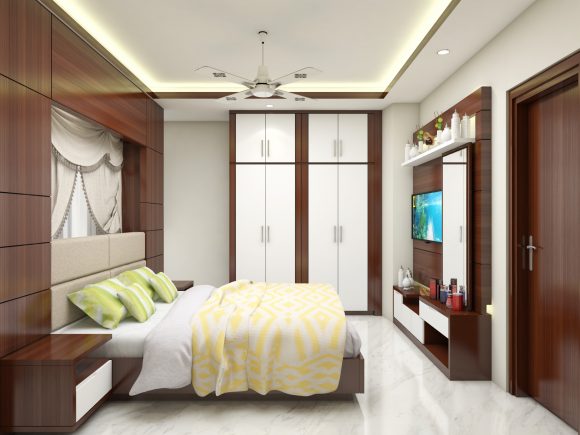
Creating a bedroom that serves as both a restful retreat and a stylish personal space is one of the most rewarding projects in home improvement. However, the gap between a vague idea in your mind and the final physical reality can often be filled with uncertainty. This is where Bedroom Interior Design combined with advanced 3D rendering technology becomes an indispensable tool for homeowners, interior designers, and decorators alike. By utilizing high-resolution digital assets, you can transform abstract concepts into tangible visual experiences before a single piece of furniture is moved.
Understanding the Power of Digital Visualization
At its core, modern bedroom planning relies on the ability to see a space before it exists. Traditional methods often relied on 2D floor plans or hand-drawn sketches, which could leave significant room for misinterpretation regarding lighting, texture, and spatial relationships. Bedroom Interior Design has evolved to include photorealistic 3D rendering, a process that simulates real-world physics to create images indistinguishable from photographs.
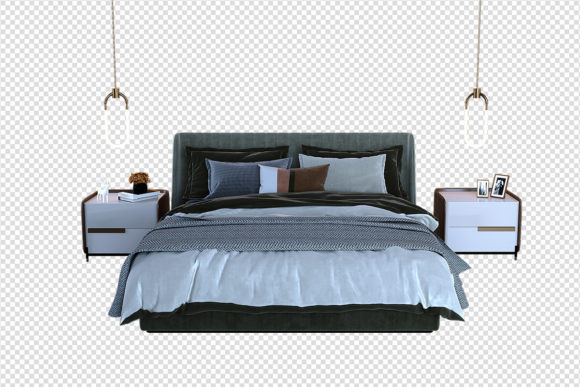
The specific asset described here—a high-quality 2500×2500 px PNG file—represents a pinnacle of this technology. Unlike standard JPEGs, PNG files preserve transparency and support lossless compression, making them ideal for integrating into various graphics editing programs or importing directly into 3D modeling software. This flexibility allows professionals and enthusiasts to manipulate the visual data without losing quality, ensuring that every detail of the design remains crisp and clear.
Addressing Common Challenges in Bedroom Planning
Many individuals face significant hurdles when attempting to redesign their sleeping quarters. The primary challenge is often the inability to visualize scale and proportion. A bed frame might look perfect in a catalog photo, but will it fit comfortably within the available floor space? Will the nightstands block the path to the closet? Without accurate visualization, these decisions are often made based on guesswork, leading to costly mistakes and wasted materials.
Another common struggle involves coordinating color palettes and textures. A wall paint that looks soothing in a small swatch can appear overwhelming once applied to four walls. Similarly, mixing wood tones with fabric textures requires a keen eye for how light interacts with different surfaces. These aesthetic decisions are difficult to make in isolation. Bedroom Interior Design solutions must address the need for confidence in decision-making, reducing the anxiety associated with committing to a specific look.
How 3D Rendering Solves These Problems
This is where the utility of 3D rendering shines. By using a 2500×2500 px PNG derived from a precise 3D model, users can place a virtual representation of a bedroom setup onto any background or overlay it onto existing photos of their actual room. This capability solves the problem of spatial disconnection. You can instantly see how a specific lighting fixture casts shadows or how a rug anchors the room's layout.
The benefits extend beyond simple visualization. When working with Bedroom Interior Design projects, stakeholders—including architects, contractors, and clients—often struggle to communicate effectively. A detailed 3D render eliminates ambiguity. Instead of describing a "warm, ambient glow," a designer can show exactly what that looks like. This clarity streamlines the approval process and ensures that everyone involved is aligned with the vision.
Practical Applications for Different Users
Different users approach Bedroom Interior Design with unique goals, and 3D rendering adapts to meet these varied needs:
- Homeowners: For the DIY enthusiast, the primary goal is cost savings and personalization. Using a 2500×2500 px PNG file, they can experiment with different furniture arrangements in their own living spaces by superimposing the digital assets over photos of their rooms. This allows them to test-drive a design concept without purchasing items they might not like.
- Interior Designers: Professionals need speed and precision. They use these digital files to present compelling proposals to clients. The ability to edit the image in Photoshop or Illustrator means they can quickly swap out colors or add branding, creating a tailored presentation that highlights their expertise.
- Real Estate Agents: In the competitive housing market, staging is crucial. Even if a room is empty, agents can use 3D rendering assets to virtually stage the bedroom, showing potential buyers the property's full potential. This helps sell the lifestyle rather than just the square footage.
Maximizing the Value of Digital Files
One of the most practical advantages of this resource is its format. Because the product is a Digital File Only download, there is no waiting for shipping or dealing with physical inventory. The process is streamlined: simply order, download, and create. This instant availability is vital for professionals working under tight deadlines who need to pivot their designs quickly.
The resolution of 2500×2500 pixels is substantial. It provides enough detail for large-format printing, such as posters or presentation boards, while remaining manageable for screen-based work. Furthermore, the transparency inherent in PNG files offers a layer of versatility that JPGs cannot match. You can remove the background of the rendered bedroom elements and blend them seamlessly into new compositions. This makes the file a versatile component in a broader workflow involving graphic design software like Adobe Photoshop or 3D modeling suites like Blender or SketchUp.
Considerations for Implementation
While the technology is powerful, successful implementation requires a thoughtful approach. When integrating Bedroom Interior Design renders, pay attention to the lighting conditions of your target environment. If you are placing a digitally rendered lamp into a photo of a room taken at dusk, ensure the light source in the render matches the ambient temperature of the photograph to maintain realism.
Additionally, consider the aspect ratio. While 2500×2500 px is a perfect square, many web layouts and social media platforms require rectangular crops. Being able to crop or resize the image without pixelation is a key benefit of starting with a high-resolution PNG. Always back up your original files before manipulating them, allowing you to revert changes if a new design direction is needed.
Conclusion: Bringing Your Vision to Life
The journey of designing a bedroom should be inspiring, not stressful. By leveraging the capabilities of 3D rendering, you bridge the gap between imagination and reality. Whether you are a homeowner looking to refresh your sanctuary or a professional aiming to impress a client, the right tools make all the difference.
A 2500×2500 px PNG file is more than just an image; it is a flexible canvas for creativity. It empowers you to iterate on ideas rapidly, test configurations safely, and communicate your vision with absolute clarity. With an INSTANT DOWNLOAD option, you have immediate access to the resources needed to elevate your project. Embrace the power of digital visualization to create a bedroom that is not only beautiful but perfectly suited to your lifestyle.