Unlocking Creative Potential with the Multilayer 3d Mandala Design Cut File
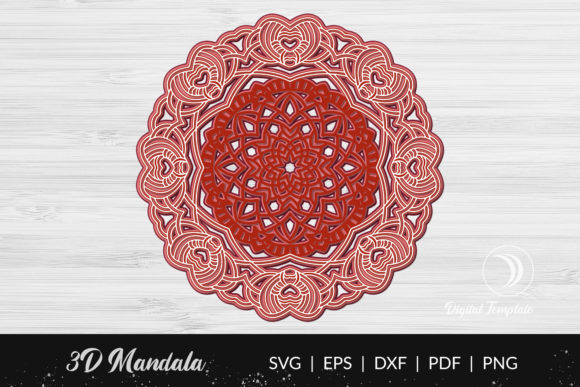
In the rapidly evolving landscape of digital crafting and design, precision meets artistry through specialized assets that empower creators to produce complex results. The Multilayer 3d Mandala Design Cut File represents a significant leap forward for hobbyists and professionals alike, offering a sophisticated solution for generating intricate geometric patterns with depth and dimension. Unlike traditional flat vector graphics, this specific asset is engineered to create a three-dimensional effect when assembled, transforming simple sheets of material into tactile, visually stunning works of art.
The versatility of this digital resource extends far beyond mere decoration. It serves as a foundational tool for educational demonstrations, commercial product development, and personal creative projects. By understanding the technical specifications and practical applications of this file, users can integrate it seamlessly into their workflows, whether they are operating a high-volume manufacturing line or working on a weekend craft project at home.
Understanding the Digital Asset Structure
Before diving into the creative possibilities, it is essential to comprehend the nature of the delivery format. You will receive these SVG files which are available to download immediately after purchase. This immediate access eliminates shipping delays and allows for instant integration into design software. However, the efficiency of the download process is matched by the complexity of the file structure itself.
You will receive a ZIP folder that contains the following file formats - SVG - DXF - EPS - PNG - PDF. This multi-format approach ensures compatibility across a wide spectrum of hardware and software ecosystems. The Multilayer 3d Mandala Design Cut File is not limited to a single platform; it is designed to be agnostic, allowing users to choose the best tool for their specific needs.
- SVG (Scalable Vector Graphics): Ideal for Adobe Illustrator, CorelDRAW, and other vector-based design programs. This format preserves the editability of paths, allowing for color changes and resizing without loss of quality.
- DXF (Drawing Exchange Format): The industry standard for computer-aided design (CAD) and laser cutting machines. It ensures precise alignment when sending data directly to cutting plotters.
- EPS (Encapsulated PostScript): A robust format often used in professional printing environments and older versions of graphic design software.
- PNG (Portable Network Graphics): A raster format perfect for quick visual previews, web display, or use in software that does not support vector editing.
- PDF (Portable Document Format): Useful for viewing the layout on any device and for direct printing if the user prefers manual cutting or laser engraving via print-to-file.
It is important to note that the ZIP file needs to be extracted before use. Attempting to load compressed files directly into cutting software often results in errors or missing layers. Proper extraction ensures that all individual layers of the mandala are accessible and ready for manipulation within your design environment.
Technical Specifications and Assembly Logic
The physical output of this digital design is governed by strict dimensional parameters. Size of the artwork Approximately 12 x 12 inch. This square format provides a balanced canvas that fits well within standard sheet sizes for materials like cardstock, foam board, vinyl, and thin wood. The 12x12 dimension is particularly advantageous for scrapbook layouts, wall art, and packaging designs where square compositions are preferred.
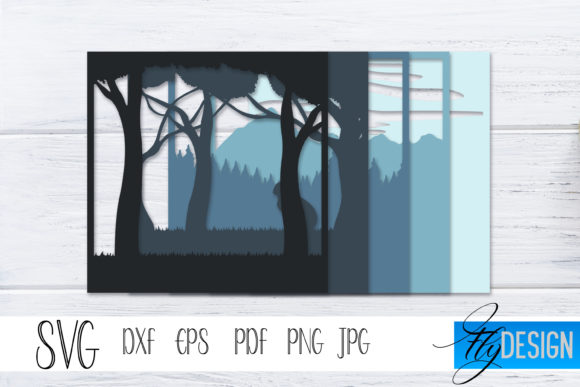
The "Multilayer" aspect of the Mutlayer 3d Mandala Design Cut File is its defining characteristic. In a standard cut file, the machine cuts a single shape out of one piece of material. In contrast, this design consists of multiple distinct layers, each slightly smaller than the one beneath it. When these layers are stacked and adhered together, they create a stepped, pyramidal effect that mimics the look of a carved stone or a topographical map.
This technique relies on the principle of occlusion and shadow. As light hits the stepped edges of the mandala, shadows form between the layers, creating an illusion of depth even on a flat surface. The precision of the cut lines is critical; if the layers do not align perfectly, the symmetry of the mandala is compromised. Fortunately, the included DXF and SVG files contain registration marks and guides to assist in this alignment process.
Applications Across Diverse Industries
The utility of the Multilayer 3d Mandala Design Cut File spans a broad spectrum of industries, from education to high-end retail. Its ability to combine mathematical precision with organic beauty makes it a favorite among various user groups.
Professional Manufacturing and Retail
For business owners and manufacturers, this file offers a scalable solution for product creation. Small businesses specializing in home decor can utilize the 3D mandala to create unique wall hangings, lamp shades, or decorative boxes. The layered effect adds perceived value to the product, allowing retailers to command higher price points compared to flat-printed alternatives. Furthermore, because the file includes a PNG for visualization, marketing teams can easily generate photorealistic mockups for e-commerce listings without needing to physically prototype every variation.
Educational and Research Contexts
Educators and researchers find immense value in this asset for teaching geometry, fractals, and symmetry. The mandala serves as a tangible example of recursive patterns and radial symmetry. Students can engage in hands-on learning by assembling the layers, thereby understanding spatial relationships and the concept of scale. The 12x12 size is manageable for classroom settings, allowing students to work individually or in small groups. Additionally, the inclusion of different file formats supports interdisciplinary studies involving computer science, engineering, and fine arts.
Hobbyist and Personal Creations
Hobbyists and DIY enthusiasts are perhaps the most active users of this type of digital asset. The Multilayer 3d Mandala Design Cut File is perfect for creating custom greeting cards, invitations for weddings and birthdays, and personalized gifts. The ability to customize colors and materials—such as using metallic paper for a premium feel or recycled cardboard for an eco-friendly aesthetic—adds a layer of personalization that mass-produced items cannot match.
Material Considerations and Workflow Optimization
To achieve the best results with the Multilayer 3d Mandala Design Cut File, selecting the appropriate material is crucial. The depth of the 3D effect depends heavily on the thickness of the substrate. Thinner materials like cardstock (65lb to 80lb) provide delicate, elegant results suitable for greeting cards and scrapbooking. Thicker materials like chipboard or foam core enhance the 3D profile, making the design pop more dramatically for wall art.
When preparing the workflow, users should consider the order of operations. Since you will receive a ZIP folder that contains the following file formats, organizing these files logically before importing them into cutting software is a recommended best practice. Group the layers by size, typically starting with the largest base layer and working inward. Many cutting software programs allow for "stacking" or "nesting" features that can automatically arrange the layers to minimize material waste.
Adhesive selection is another critical factor. For a clean 3D assembly, double-sided tape or foam adhesive squares are often superior to liquid glue, which can warp thin paper layers. Foam adhesive also adds a subtle gap between the layers, enhancing the shadow effect and reinforcing the 3D illusion. For permanent installations, such as wall art, stronger mounting solutions may be required, but care must be taken not to obscure the intricate details of the mandala.
Advantages of Digital Precision Over Traditional Methods
Transitioning from hand-cutting to using a Multilayer 3d Mandala Design Cut File offers several distinct advantages. First and foremost is consistency. Hand-cutting a complex mandala with multiple layers requires exceptional steady hands and significant time investment. Even minor deviations can ruin the symmetry. Digital cutting machines, guided by the precise vectors in the SVG and DXF files, ensure that every cut is identical, regardless of how many copies are produced.
Secondly, the digital format allows for rapid iteration. If a creator decides to change the color scheme or swap the material mid-project, they only need to adjust the settings in their software rather than starting the cutting process from scratch. This flexibility encourages experimentation, allowing creators to test different combinations of materials and colors without fear of wasting resources.
Furthermore, the accessibility of the Multilayer 3d Mandala Design Cut File democratizes high-quality design. Historically, complex 3D paper engineering was the domain of skilled artisans who spent years mastering their craft. Now, with the right digital tools, anyone with access to a cutting machine can produce professional-grade results. This levels the playing field, enabling independent creators to compete with larger studios.
Maximizing the Value of Your Purchase
As a digital file download, the Multilayer 3d Mandala Design Cut File offers unparalleled convenience. No physical item will be sent to you, which means there is no risk of damage during shipping, no waiting periods for delivery, and no storage space required for inventory. Once the ZIP file is downloaded and extracted, the asset is yours to use indefinitely.
However, to truly maximize the value, users should explore the full range of file formats provided. While the SVG is the primary format for cutting, the PDF can be used for instructional purposes or to share the design with clients who do not have access to vector software. The PNG format is excellent for social media promotion, allowing creators to showcase their finished 3D mandalas online with crisp resolution.
It is also worth noting that the 12 x 12 inch size is versatile enough to be scaled down for smaller projects or scaled up for large-scale installations, provided the cutting machine's bed size permits. Scaling the design digitally before cutting allows for customization to fit specific frames or display areas, ensuring that the final product integrates seamlessly into its intended environment.
Future Trends in Digital Crafting
The rise of assets like the Multilayer 3d Mandala Design Cut File aligns with broader trends in the crafting and design industries. There is a growing demand for sustainable, handmade goods that carry a story and a level of craftsmanship. Digital files enable creators to produce these goods on-demand, reducing waste associated with overproduction. Additionally, the integration of digital design with physical production supports the "maker movement," encouraging a shift towards localized manufacturing and personalized consumer experiences.
As technology advances, we can expect to see even more sophisticated interactions between digital files and physical materials. The ability to create complex 3D structures from flat 2D files is just the beginning. Future iterations may include automated nesting algorithms, AI-driven pattern generation, and enhanced material libraries that suggest optimal substrates for specific design effects.
In conclusion, the Multilayer 3d Mandala Design Cut File stands as a testament to the power of digital tools in expanding human creativity. By providing a robust set of file formats and a precise, scalable design, it empowers a diverse audience to bring intricate visions to life. Whether for educational enrichment, commercial enterprise, or personal fulfillment, this asset offers a reliable foundation for creating beautiful, dimensional art.