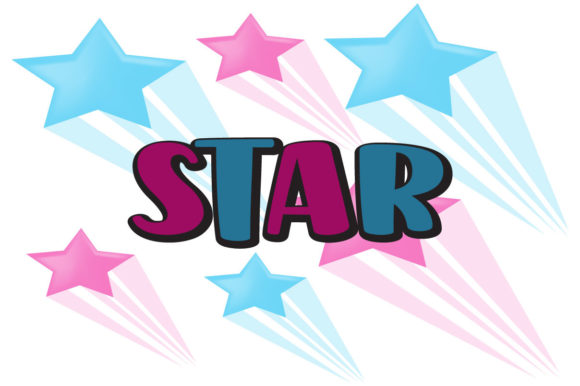
Elevating Visual Impact: The Art and Utility of 3D Vector Design Stars and Quotes
In the fast-paced digital landscape where attention spans are measured in seconds, visual communication has become the primary language of the internet. Among the myriad of design elements available to creators, few are as versatile or impactful as the combination of a 3D vector design star and quote. This specific pairing is not merely an aesthetic choice; it represents a convergence of geometric symbolism and textual messaging that drives engagement across social media, marketing campaigns, and educational materials.
Whether you are a seasoned graphic designer looking to refine your portfolio or a business owner seeking to understand modern branding trends, understanding the mechanics and significance of these elements is crucial. This guide explores the world of three-dimensional vector graphics, specifically focusing on how stars and quotes work together to create compelling narratives that resonate with audiences.
Decoding the Elements: What Are 3D Vector Stars?
To truly appreciate the utility of this design trend, we must first understand the underlying technology. A vector image is distinct from a raster image (like a standard JPEG or PNG). While raster images are made of pixels that can become blurry when enlarged, vectors are mathematical formulas defining lines, curves, and shapes. This means a 3D vector design star can be scaled from a tiny mobile icon to a massive billboard without losing a single pixel of clarity.
The "3D" aspect adds depth, lighting, shadows, and texture to what was once a flat shape. In the context of a star, designers use gradients, bevels, and drop shadows to simulate volume. This creates a sense of realism while maintaining the crisp edges inherent to vector art. Why stars? Historically, the star has been a universal symbol of excellence, guidance, achievement, and magic. In a digital context, a rendered 3D star immediately signals quality or highlights a key feature, acting as a visual anchor for the viewer's eye.
- Scalability: Perfect for responsive web design where assets must adapt to various screen sizes.
- Lightweight File Size: Vectors generally require less bandwidth than high-resolution photos, improving website loading speeds.
- Editable Flexibility: Colors and dimensions can be altered instantly without re-rendering the entire image.
The Synergy of Text and Image: Integrating Quotes
A star alone is a symbol; a star paired with a quote becomes a message. The integration of text into 3D vector designs transforms abstract concepts into concrete takeaways. When a designer combines a 3D vector design star and quote, they are creating a micro-narrative. The star often acts as the headline or the emotional hook, while the quote provides the substance.
This format is particularly effective for pull quotes—short, memorable excerpts taken from a longer piece of content. Imagine reading an article about leadership. A large, glowing 3D star might float next to a powerful sentence like, "Leadership is action, not position." The visual weight of the star draws the reader in, ensuring they don't skim past the most important insight.
However, the relationship between the text and the 3D element must be balanced. If the text is too heavy, it obscures the star; if the star is too complex, it distracts from the words. Successful design uses the third dimension to frame the text, perhaps by having the quote wrap around the curve of the star or by using the star's shadow to create a subtle highlight behind the letters.
Why This Combination Works So Well
The effectiveness of this design duo lies in its psychological impact. Humans process visuals 60,000 times faster than text. By presenting a concept through a familiar, positive symbol (the star) accompanied by concise wisdom (the quote), designers tap into both the logical and emotional centers of the brain simultaneously.
- Cognitive Ease: The brain recognizes the star shape instantly, reducing the cognitive load required to interpret the image.
- Emotional Connection: 3D rendering adds warmth and tangibility, making the quote feel more personal and less like generic stock imagery.
- Shareability: On platforms like Instagram, Pinterest, and LinkedIn, square or vertical graphics featuring bold 3D elements and inspirational quotes have significantly higher share rates than plain text posts.
Practical Applications in Business and Education
The versatility of 3D vector design stars and quotes extends far beyond simple decoration. They serve functional roles in various sectors, bridging the gap between creativity and utility.
Marketing and Branding
In the competitive world of digital marketing, brands need to stand out. A 3D star can represent a "Best Seller" badge, a "Top Rated" certification, or a special award. When combined with a customer testimonial or a brand slogan, it validates the company's claims visually. For example, a coffee shop might use a steaming 3D star icon alongside a quote about "waking up your senses," creating an immediate sensory association before the customer even reads the menu.
Education and E-Learning
Educators and instructional designers utilize these elements to break up dense information. In online courses, a 3D star can mark a "Key Takeaway" section. This helps students identify critical learning points quickly. Furthermore, using motivational quotes embedded within 3D graphics can boost student morale and engagement, turning a dry lecture slide into an inspiring moment.
Social Media Engagement
Social media algorithms favor content that keeps users on the platform. Eye-catching 3D graphics stop the scroll. A well-designed post featuring a metallic gold star and a thought-provoking quote is more likely to generate likes, comments, and shares compared to a plain text update. This organic reach is invaluable for growing a community.
Clarifying Common Misconceptions
Despite their popularity, there are several misunderstandings regarding the creation and usage of 3D vector graphics that can hinder beginners.
Misconception 1: "3D means it must look photorealistic."
Not necessarily. While hyper-realism is one style, many successful designs use stylized, cartoon-like, or minimalist 3D effects. The goal is to convey depth, not necessarily to mimic reality perfectly. A flat-shaded 3D star can be just as effective as a glossy, reflective one, depending on the brand identity.
Misconception 2: "Vectors cannot handle complex textures."
While vectors are best known for clean lines, modern software allows for complex gradient meshes and pattern fills that simulate textures like velvet, metal, or glass. However, for highly detailed photographic textures, raster images are still preferred. The key is knowing when to use which tool.
Misconception 3: "You need expensive software to make them."
While professional tools like Adobe Illustrator and Cinema 4D offer robust features, there are numerous accessible alternatives and online generators that allow users to create impressive 3D vector elements and combine them with text without a steep learning curve.
The Future of Visual Storytelling
As technology evolves, so does the potential for 3D vector design. We are moving toward an era of interactive web experiences where 3D elements respond to user movement. Imagine a website where the 3D vector design star and quote rotate slightly as you scroll, or change color based on the time of day. These dynamic interactions will deepen user engagement and make static information feel alive.
Furthermore, the rise of Augmented Reality (AR) means that these vector assets could soon be viewed in 3D space through a smartphone camera, allowing users to "place" a glowing star and its accompanying quote on their own desk. This blurs the line between digital design and physical reality, offering new avenues for creativity.
Conclusion: Mastering the Balance
The combination of a 3D vector design star and quote is more than a passing trend; it is a fundamental tool in the modern designer's toolkit. It leverages the timeless appeal of the star symbol and the power of typography to deliver messages that are clear, memorable, and aesthetically pleasing. Whether used to highlight a product feature, inspire a team, or educate an audience, this design approach bridges the gap between visual beauty and functional communication.
For anyone looking to enhance their visual content, investing time in learning the principles of 3D vector composition is a wise move. By understanding the balance between form and function, and by respecting the readability of the text against the complexity of the graphic, creators can produce work that not only looks great but effectively communicates its intended message. As we continue to navigate an increasingly visual world, the ability to craft meaningful 3D narratives will remain a valuable skill for years to come.
Start experimenting today. Try combining different star shapes, varying the lighting angles, and selecting quotes that resonate with your audience. The result could be the difference between a forgotten post and a viral sensation.