Guitar Papercut 3d Art Design
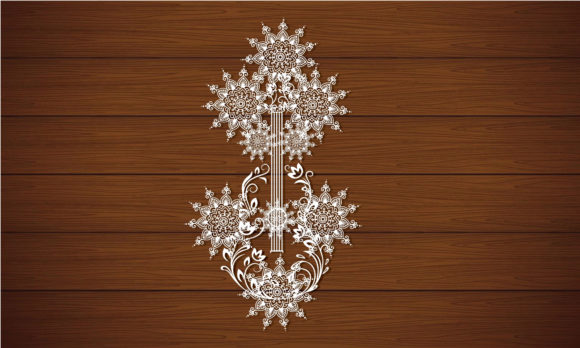
Imagine holding a physical guitar that looks like it was crafted from layers of paper, where the curves and shadows create a stunning three-dimensional effect. That is exactly what Guitar Papercut 3D Art Design offers: a visual masterpiece that blends traditional papercraft aesthetics with modern digital precision. This isn't just a flat image; it is a sophisticated graphic asset designed to bring depth, texture, and artistic flair to any project you are working on.
For creators, marketers, and small business owners, having high-quality, versatile assets is often the difference between a generic presentation and something that truly stands out. This specific design focuses on the iconic silhouette of a guitar, rendered in a style that mimics intricate paper cutting art but enhanced with 3D lighting and shadow effects. It appeals to music lovers, event planners, educators, and anyone looking to add a touch of creativity to their digital or print materials without needing advanced illustration skills.
Why This Design Matters for Your Projects
When you are creating content, whether it is for a blog post about the history of rock music, a flyer for a local jazz night, or a logo for a new music school, you need visuals that capture attention immediately. A standard stock photo might feel overused, but a custom-style vector design like this one offers a unique look that feels handcrafted yet professionally executed.
The beauty of this resource lies in its flexibility. Because it is built as a vector file, you can scale it up to cover a billboard or shrink it down to fit a social media profile picture without losing a single pixel of quality. The 300 DPI resolution ensures that when you do decide to print it, the edges remain crisp and clean, avoiding the blurry mess that often happens with low-resolution images. This level of detail is crucial for professional applications where quality speaks volumes about your brand.
Real-World Applications Across Different Industries
You might be wondering how a single graphic fits into such a wide range of activities. Let's look at some practical scenarios where Guitar Papercut 3D Art Design can solve real problems.
- Event Marketing: Imagine you are organizing a summer music festival. You need posters, banners, and social media ads. Using this design allows you to create a cohesive visual theme that feels artistic and inviting. The 3D effect adds a sense of excitement and dimension that flat colors simply cannot achieve, making your event stand out in a crowded feed.
- Educational Materials: Teachers and tutors often struggle to make learning engaging. If you are teaching a lesson on music theory, instrument history, or even art techniques involving paper crafts, this design serves as a perfect anchor image. It can be used in slide decks, worksheets, or online course thumbnails to grab students' attention right away.
- Small Business Branding: For a freelance musician or a small recording studio, branding is everything. You can use this artwork for business cards, website headers, or merchandise like t-shirts and mugs. The ability to modify colors means you can match your brand palette perfectly, ensuring consistency across all touchpoints.
- Digital Content Creation: Bloggers and vloggers constantly need eye-catching graphics for their posts. Instead of spending hours designing an icon or header, you can drop this file into your layout. The transparent background feature makes it incredibly easy to layer over different textures or photos, saving you time while elevating your content quality.
Technical Features That Make Life Easier
One of the biggest hurdles for non-designers is dealing with files that are too complex or rigid. This package removes those barriers by providing a comprehensive set of formats in a convenient ZIP folder. Whether you are a seasoned graphic designer or someone who just knows how to open a document, there is something here for you.
The inclusion of the EPS File is a game-changer for print professionals. EPS (Encapsulated PostScript) is the industry standard for vector graphics, allowing you to import the design directly into Adobe Illustrator, CorelDRAW, or InDesign. You get full control over the paths, enabling you to tweak shapes or combine elements with other graphics seamlessly.
If you are working on the web or need quick edits, the SVG file is your best friend. Scalable Vector Graphics are lightweight and render perfectly on any screen size, from mobile phones to large desktop monitors. They are also fully editable in code-based environments, which is perfect for developers building responsive websites.
For those who prefer simplicity, the PNG file comes with a transparent background and high-quality 300 DPI resolution. This means you can drag and drop it into PowerPoint, Canva, or Photoshop, and it will sit perfectly on top of any background color without a white box surrounding it. Similarly, the JPG file provides a ready-to-use raster version for platforms that don't support transparency or vectors, ensuring compatibility everywhere.
Finally, the PDF file ensures that your design remains intact regardless of the software version you are using. It is ideal for sharing proofs with clients or printing documents that require a stable layout.
Customization Without the Hassle
A common frustration with stock graphics is being stuck with the default colors. With this RGB color mode design, you have the freedom to change every hue to match your specific needs. Perhaps your music festival has a neon green theme, or your coffee shop prefers warm browns. Since the file is vector-based, changing the color is as simple as selecting a path and picking a new swatch. You don't need to redraw anything; the entire structure remains intact while the look transforms completely.
This level of modifiability is essential for entrepreneurs who need to pivot quickly. If you launch a campaign and realize your current colors aren't resonating, you can update the asset instantly rather than commissioning a new artist. It empowers you to maintain a fresh and relevant aesthetic without breaking the bank.
What to Consider Before You Start
While this resource is incredibly user-friendly, there are a few things to keep in mind to get the most out of it. First, ensure you have the appropriate software installed if you plan to edit the vector files. While viewers can open PDFs and JPGs easily, modifying the EPS or SVG usually requires tools like Adobe Illustrator, Affinity Designer, or free alternatives like Inkscape.
Second, think about your output medium. If you are printing on fabric or large signage, always check the final resolution after scaling. Although the source is 300 DPI, extreme enlargement can sometimes soften details. However, for most standard print sizes and digital uses, the quality is more than sufficient.
Lastly, consider the context of your audience. A 3D papercut style evokes a sense of craft, nostalgia, and creativity. It works beautifully for indie brands, educational settings, and personal projects. It might feel slightly out of place in a highly corporate or minimalist financial report, so choose your moments wisely to ensure the design enhances your message rather than distracting from it.
Ultimately, Guitar Papercut 3D Art Design is more than just a picture; it is a tool for expression. By providing multiple formats, high resolution, and easy customization, it bridges the gap between professional design standards and everyday usability. Whether you are launching a new product, teaching a class, or simply decorating your digital space, this asset offers the versatility and quality needed to make your work shine.