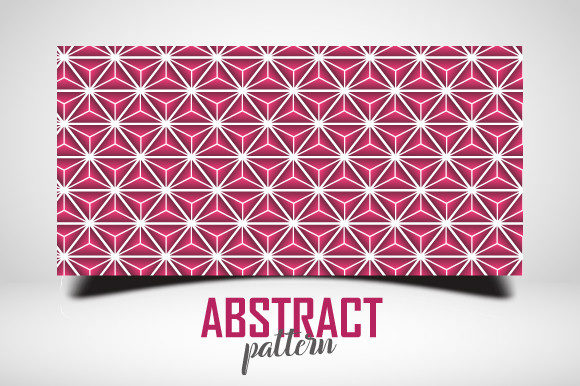
Geometrical Abstract 3D Pattern Design
In the competitive landscape of Print on Demand and digital content creation, visual assets are rarely just decorative; they are strategic tools that dictate user engagement, brand perception, and market positioning. Geometrical Abstract 3D Pattern Design represents a sophisticated intersection of mathematical precision and artistic expression, offering a versatile foundation for entrepreneurs and creators seeking to elevate their professional output. Unlike static or flat imagery, this design style introduces depth, movement, and complexity, allowing brands to communicate innovation and structure simultaneously.
When integrated thoughtfully into your workflow, these patterns do more than fill space; they guide the eye, establish hierarchy, and reinforce a narrative of modernity. For small business owners and freelancers, the ability to deploy high-quality, editable vector files can significantly reduce production costs while increasing the perceived value of the final product. The strategic advantage lies not merely in the aesthetic appeal but in the flexibility inherent in the source files, which allow for rapid adaptation across various platforms without sacrificing resolution or clarity.
The Strategic Value of Depth and Structure
Why does Geometrical Abstract 3D Pattern Design resonate so strongly with decision-makers and creative professionals? The answer lies in the psychology of form. Three-dimensional geometric shapes imply stability, logic, and forward-thinking—attributes that are highly desirable in corporate branding, educational materials, and tech-focused marketing. When a customer encounters a background featuring intricate, layered geometry, their brain processes it as complex and valuable, often subconsciously associating the quality of the design with the quality of the product or service being offered.
For Print on Demand (POD) businesses, this is particularly critical. In a saturated market where many sellers rely on generic clip art or low-resolution stock images, a unique 3D pattern serves as a differentiator. It signals to the consumer that the brand has invested in original design rather than taking shortcuts. This distinction can be the deciding factor in conversion rates, especially when selling apparel, home decor, or digital planners where texture and visual interest are paramount.
Furthermore, the abstract nature of these designs allows for broad application. They are not tied to specific seasons, trends, or cultural moments, making them an asset for long-term planning. A well-executed geometric pattern can remain relevant for years, providing a consistent visual identity that supports long-term brand equity. This longevity reduces the need for constant rebranding efforts, allowing resources to be allocated toward growth and customer acquisition instead of reinventing the wheel.
Operational Efficiency Through Editable Source Files
The true power of a high-quality design asset is unlocked only when it is fully editable. Many designers and POD operators face bottlenecks when working with locked raster images or low-quality vectors that cannot be manipulated. By utilizing a Geometrical Abstract 3D Pattern Design package that includes native AI, EPS, SVG, and JPEG files, you eliminate these friction points. This accessibility transforms a static image into a dynamic component of your operational toolkit.
- AI File: The Adobe Illustrator source file is the gold standard for scalability. It allows you to adjust individual elements, modify color palettes to match seasonal campaigns, or resize the pattern to fit anything from a business card to a billboard without pixelation.
- EPS File: Essential for compatibility with older design software or specific printing workflows. This format ensures that your 3D patterns render correctly in professional pre-press environments, maintaining sharp edges and accurate color profiles.
- SVG File: Crucial for web-based applications. As digital presence becomes increasingly mobile-first, having an optimized vector graphic ensures that your backgrounds load quickly and look crisp on high-DPI screens, enhancing the user experience.
- JPEG File: Provides immediate usability for quick mockups, social media posts, or situations where vector editing is not required, ensuring you have a ready-to-use asset at all times.
This multi-format approach supports agile decision-making. If a client requests a change in color scheme for a new product line, you can update the design in minutes rather than days. This agility is vital for marketers who must pivot strategies based on real-time data or trending topics. The ability to edit and resize almost any aspect of the design empowers you to tailor the visual message precisely to your target audience's preferences.
Intentional Application in Branding and Customer Experience
To maximize the return on investment from Geometrical Abstract 3D Pattern Design, one must move beyond random placement and adopt an intentional strategy. The goal is to use these patterns to support specific business objectives, whether that is improving readability, guiding navigation, or establishing a premium feel.
Consider the context of your project. For a B2B consulting firm, a subtle, monochromatic version of the pattern might serve as a sophisticated background for presentation slides, reinforcing themes of structure and analysis. Conversely, for a lifestyle brand targeting Gen Z consumers, the same pattern could be rendered in vibrant, contrasting colors for t-shirt prints, signaling energy and creativity. The pattern itself remains constant, but its application shifts to align with the communication goals of each channel.
In the realm of e-commerce, using these patterns as backgrounds for product photography can enhance the visual hierarchy. A 3D pattern adds texture to a scene without distracting from the product, provided the contrast is managed correctly. This technique helps products stand out in crowded marketplaces like Etsy or Shopify stores, drawing the customer's attention to the item while maintaining a cohesive brand aesthetic.
However, intentionality requires discipline. Overusing complex patterns can lead to visual fatigue, causing users to disengage. It is essential to balance the density of the design with negative space. When designing for print, consider how the pattern interacts with the material. On fabric, the 3D effect should complement the drape of the cloth; on paper, it should enhance the tactile experience. Ignoring these physical realities can result in a product that looks great digitally but fails in the real world.
Risks of Unstructured Usage
While the potential benefits are significant, relying on Geometrical Abstract 3D Pattern Design without a clear strategy carries risks. The most common pitfall is "design by default," where assets are chosen simply because they are available rather than because they serve a purpose. This approach often leads to inconsistent branding, where the visual language clashes with the company's voice or values.
Another risk involves technical execution. Without proper knowledge of vector manipulation, creators may inadvertently distort the 3D perspective when resizing, leading to unnatural proportions that undermine the professional quality of the work. Additionally, failing to optimize file sizes for web use can negatively impact site performance, hurting SEO rankings and user retention. These issues highlight the importance of understanding the tool before deploying it.
There is also the danger of homogenization. Because geometric patterns are popular, there is a temptation to use widely recognized templates without modification. To avoid blending into the background of your industry, you must leverage the editable features of the AI and EPS files to create variations that are uniquely yours. Customizing the color, scale, and arrangement of the elements ensures that your brand retains its distinct identity.
Planning for Long-Term Scalability
Effective planning begins with recognizing that Geometrical Abstract 3D Pattern Design is not a one-off asset but a scalable resource. By starting with a robust set of source files, you build a library that can grow with your business. As you expand your product lines or enter new markets, you can reuse these core assets in new configurations, saving time and maintaining consistency.
For educators and content creators, these patterns offer a way to organize information visually. Complex data sets or learning modules can be broken down using geometric sections, making the material easier to digest. The 3D aspect adds a layer of engagement that keeps learners interested, turning passive consumption into active exploration.
Ultimately, the decision to invest in high-quality, editable design assets is a decision to prioritize quality and efficiency. It reflects a commitment to excellence that resonates with customers and partners alike. By treating these patterns as strategic components of your broader business plan, you ensure that every visual element contributes to your goals, whether that is increased sales, improved brand recognition, or enhanced operational efficiency.
As you move forward, remember that the best results come from thoughtful integration. Use the Geometrical Abstract 3D Pattern Design to solve problems, tell stories, and connect with your audience on a deeper level. With the right approach, these files become more than just graphics; they become the backbone of a compelling and successful visual identity.