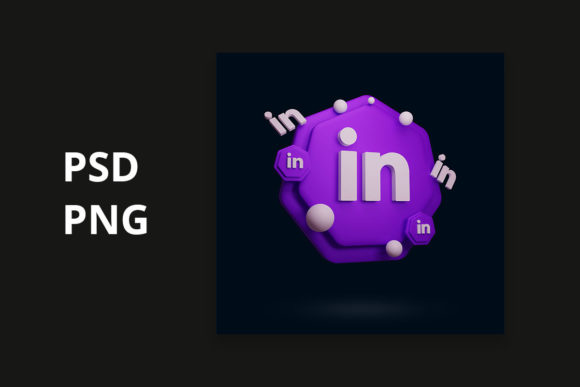
Mastering LinkedIn 3D Creative Design for Professional Impact
In the fast-paced world of professional networking, standing out is no longer optional; it is a necessity. As the digital landscape evolves, static images and standard text posts often fail to capture the attention of busy professionals scrolling through their feeds. This is where LinkedIn 3D Creative Design emerges as a transformative tool for individuals and businesses alike. By leveraging three-dimensional assets, users can create immersive visual experiences that command attention, convey complex ideas instantly, and elevate their personal brand or corporate identity.
Whether you are a freelancer looking to showcase your portfolio, a marketing manager aiming to boost engagement, or a business owner trying to explain a new product, understanding how to utilize 3D design on this platform is crucial. This guide explores the practical applications, benefits, and implementation strategies of LinkedIn 3D Creative Design, helping you navigate the transition from flat graphics to dynamic, engaging content.
The Challenge of Digital Visibility
Before diving into solutions, it is essential to understand the problem many professionals face. The primary challenge on LinkedIn is information overload. Users are bombarded with thousands of updates daily, most of which follow a predictable pattern: a headline, a paragraph of text, and perhaps a generic stock photo. When a post looks exactly like its neighbors, it gets scrolled past without a second thought.
This lack of visibility leads to several specific pain points:
- Low Engagement Rates: Posts with standard imagery often struggle to generate likes, comments, or shares, limiting organic reach.
- Diluted Brand Identity: Without unique visual elements, companies and individuals blend into the background, making it difficult to establish a distinct market presence.
- Ineffective Communication: Complex products or services are hard to explain through text alone. A two-dimensional image may not fully capture the depth, texture, or functionality of what is being offered.
These situations create a critical need for a different approach—one that breaks the monotony of the feed and invites the viewer to stop and interact.
How LinkedIn 3D Creative Design Solves These Problems
LinkedIn 3D Creative Design offers a direct solution to these visibility challenges by introducing depth, realism, and movement to static content. Unlike traditional 2D graphics, 3D designs allow viewers to see objects from multiple angles, understand spatial relationships, and appreciate details that flat images simply cannot convey. This format acts as a powerful hook, interrupting the user's scrolling pattern and demanding their focus.
When you incorporate LinkedIn 3D Creative Design into your strategy, you are not just posting an image; you are creating an experience. The human brain is wired to respond to depth and motion, making 3D assets inherently more engaging than their flat counterparts. This increased engagement translates directly into higher click-through rates, more meaningful conversations in the comments section, and stronger recall of your brand message.
Furthermore, this design approach addresses the need for clarity. If you are selling a piece of machinery, a software interface, or a piece of jewelry, a 3D model allows the audience to visualize the product as if they were holding it. It bridges the gap between digital representation and physical reality, building trust and confidence in your offering.
Practical Applications and Outcomes
The versatility of LinkedIn 3D Creative Design means it can be applied across various industries and use cases. Here are some practical ways professionals are utilizing this technology to achieve tangible results:
Showcasing Products and Services
For B2B companies, explaining a technical product can be daunting. Instead of relying on blueprints or dry specifications, a 3D render can rotate the product, highlight key features, and demonstrate functionality in real-time. This approach simplifies complex concepts, making them accessible to decision-makers who may not have deep technical knowledge but need to understand the value proposition quickly.
Enhancing Personal Branding
Creative professionals, consultants, and coaches can use 3D elements to express their unique style. Imagine a profile banner that features a 3D abstract representation of your core philosophy or a post series that uses 3D icons to break down a methodology. This level of creativity signals innovation and attention to detail, qualities that are highly valued in today's job market.
File Formats Matter: PSD and EPS
To ensure the highest quality output, it is vital to work with the correct file types. Many high-quality LinkedIn 3D Creative Design resources come in PSD (Photoshop Document) and EPS (Encapsulated PostScript) formats. These files are essential for maintaining scalability and editability.
- PSD Files: Ideal for designers who need to make adjustments to layers, lighting, or textures before finalizing the image for LinkedIn. They preserve the depth maps and effects necessary for a true 3D look.
- EPS Files: Perfect for vector-based 3D elements that need to be resized without losing quality. This ensures your creative assets look crisp on both mobile devices and large desktop monitors.
Tailoring Your Approach: Different Paths to Success
Not every user will approach LinkedIn 3D Creative Design in the same way. Your strategy should depend on your specific goals, resources, and technical comfort level.
The DIY Enthusiast: For those with a knack for design tools, using templates in PSD format can be a cost-effective route. You can download a base 3D scene, customize the colors to match your brand guidelines, and export the final image. This approach gives you full control over the aesthetic while saving time compared to building a model from scratch.
The Collaborative Team: Larger organizations might benefit from hiring a specialized 3D artist. In this scenario, the team provides the concept and the brand assets, while the artist creates a bespoke LinkedIn 3D Creative Design asset that aligns perfectly with the company's narrative. This ensures a premium look that sets the brand apart from competitors.
The Strategic Marketer: Some users may focus less on the creation process and more on the deployment. They might integrate 3D assets into carousel posts or video campaigns, using the initial 3D render as a thumbnail to drive clicks. For these users, the goal is conversion, and the 3D design serves as the bait that draws the audience in.
Key Considerations for Implementation
While the potential of 3D design is immense, successful implementation requires careful planning. To get the most out of LinkedIn 3D Creative Design, keep the following recommendations in mind:
- Optimize for Mobile: Most LinkedIn traffic comes from mobile devices. Ensure your 3D renders are optimized so they load quickly and do not appear pixelated or distorted on smaller screens.
- Maintain Accessibility: Always include descriptive alt text for your 3D images. Screen readers rely on this text to describe the content to visually impaired users, ensuring your content is inclusive.
- Balance Creativity with Clarity: While 3D designs are eye-catching, they should not overshadow the message. Avoid overly complex animations or cluttered scenes that distract from the core call to action.
- Test and Iterate: Try different styles of 3D design. Compare the performance of a photorealistic render against a stylized, cartoon-like 3D asset to see which resonates better with your specific audience.
Conclusion: Elevating Your Professional Presence
The shift towards LinkedIn 3D Creative Design represents a significant opportunity for professionals willing to adapt. By moving beyond static images and embracing the depth and dimensionality of 3D, you can solve the common problems of low engagement and poor brand differentiation. Whether you are utilizing PSD templates for quick customization or commissioning custom EPS vectors for a major campaign, the result is the same: a more compelling, memorable, and effective professional presence.
As the platform continues to evolve, those who invest in high-quality, innovative visual content will reap the rewards of increased visibility and deeper connections. Start exploring the possibilities of 3D design today, and transform your LinkedIn presence from a simple resume into a dynamic showcase of your expertise and creativity.